
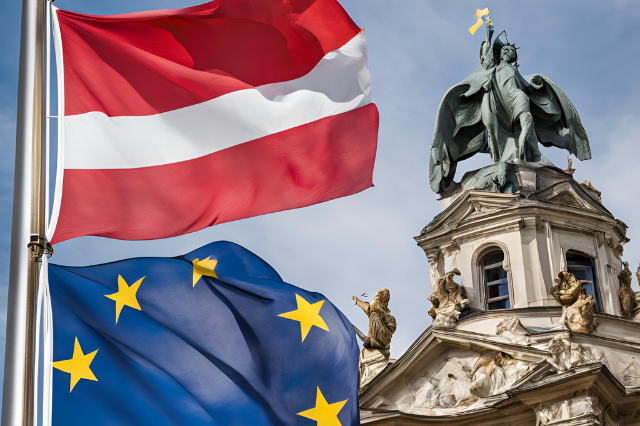
As someone who lives and breathes innovation, I always look forward to the European Commission’s annual Innovation Scoreboard. It’s more than just a ranking—it’s a snapshot of how ideas, creativity, and research are shaping the future across Europe. This year, Austria has ranked 8th among EU Member States.
The 2025 Scoreboard feels especially relevant because the Commission has updated its methodology to better reflect the digital age in which we live. It’s not just about patents and R&D anymore—it’s about how innovation touches society, how resilient our industries are, and how well we’re adapting to global challenges.
Austria’s score of 114 is well above the EU average, and the country remains a “strong innovator”.
What excites me is Austria’s performance in intellectual assets. We’re ranked first in the EU for design, trademark, and patent applications. That tells me that creativity is alive and well here, and that inventors, designers, and thinkers are not just dreaming—they’re bringing their ideas to life and pushing them into the world. I also love seeing how strong our public-private collaborations are. When universities and companies work together, magic happens. It’s the kind of synergy that leads to real breakthroughs.
However, innovation isn’t just about what’s working—it’s also about what needs attention. The report highlights that Austria continues to struggle with scaling up start-ups. Austria has brilliant ideas, but securing the capital and support it needs to grow is a challenge. There’s also been a decline in job mobility for researchers, and in government support for business R&D. These are areas we need to watch closely, because innovation thrives on movement, flexibility, and bold investment.
One thing I found particularly interesting is Austria’s relatively low performance in exporting knowledge-intensive services. It’s a reminder that innovation isn’t just about creating—it’s about sharing. Austria has a great deal to offer, and I believe we can do more to showcase our expertise on the global stage.
The good news is that Austria isn’t standing still. The government is developing new funding models, including a fund-of-funds initiative to support the growth of innovative companies. With the RTI Strategy 2030 aiming to position Austria among the top five innovation nations in the EU, there’s a clear vision for the future.
Reading this report, I feel a mix of pride and a sense of urgency. Austria has the talent, the infrastructure, and the ambition. Now it’s about turning that potential into impact—supporting our innovators, connecting our ideas to markets, and making sure that the next big thing doesn’t just happen here, but thrives here.
Austria’s RTI Strategy 2030—short for Research, Technology, and Innovation Strategy—is the country’s long-term roadmap to becoming a global leader in innovation. As someone passionate about how ideas evolve into impact, I find this strategy both ambitious and inspiring.
Austria’s RTI Strategy 2030 in a nutshell
At its core, the RTI Strategy 2030 outlines the key objectives and areas of focus that will shape Austria’s innovation policy over the next decade. It’s not just about boosting research output—it’s about creating a stable, coordinated, and forward-looking framework that supports excellence, effectiveness, and societal relevance in science and technology.
The strategy is built on several pillars:
- A commitment to efficiency and output in the innovation system
- A focus on knowledge, talent, and skills development
- Strategic investment in digital transformation, sustainability, and open science
- Strengthening cross-departmental governance, with ministries working together to align funding, policy, and implementation
What I especially appreciate is how the strategy integrates broader goals, such as the Sustainable Development Goals, gender equality in RTI, and responsible science. It’s not just about being competitive—it’s about being inclusive, ethical, and future-ready.
To make this vision actionable, Austria has also introduced the RTI Pact, which sets priorities and budgets for research and innovation in three-year cycles. This pact ensures that the strategy isn’t just a document—it’s a living framework that guides real decisions and investments.
For more information about RTI Strategy 2030, click here.
Source: European Commission’s annual Innovation Scoreboard. | Bundesministerium für Innovation, Mobilität und Infrastruktur
Should you spot any errors in my writing, don’t hesitate to reach out; I’ll gladly fix them.

