
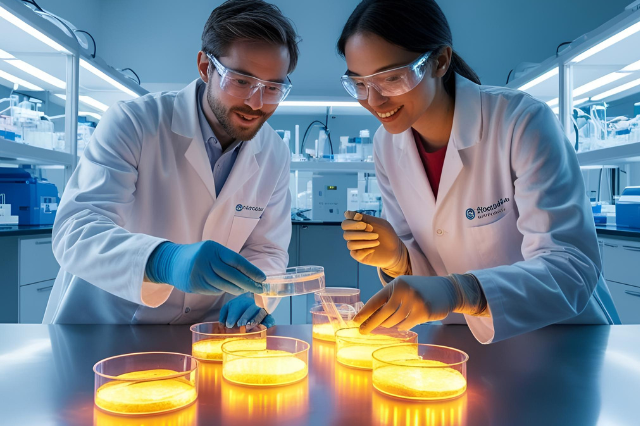
I recently read on LinkedIn that Vienna has firmly established itself as one of Europe’s leading centres for life sciences — and the numbers are truly impressive. The city is home to 754 organisations, including 646 companies, 19 research institutions, and 89 other key players in research, development, and production. Together, they represent more than half of Austria’s life sciences sector.
What struck me most in the latest Life Sciences Report was the scale of growth. Between 2020 and 2023, the industry’s annual revenue jumped by 22%, reaching €22.7 billion. Even more remarkably, biotechnology and pharmaceutical companies account for 81% of this revenue, showing just how central Vienna has become in these fields.
The sector isn’t just growing financially — it’s expanding in people power too. Employment has risen by 8%, now surpassing 49,000 jobs. Nearly half of this workforce is engaged in biotech and pharma, with the rest spread across medical technology and research institutions. For me, this highlights Vienna’s ability to balance cutting-edge science with real opportunities for talent.
Over the past five years, Vienna’s life sciences have evolved steadily, driven by digital innovation, advanced production methods, and breakthroughs in AI-powered diagnostics and drug development. One standout example is that Boehringer Ingelheim has established a new cancer research centre as a key project in this sector.
It’s no surprise, then, that the life sciences industry ranked among Vienna’s top five new business initiatives in 2024.
Reading this, I couldn’t help but feel proud of how Vienna is positioning itself — not just as a hub of research and innovation, but as a place where science, technology, and human impact converge.
Should you spot any errors in my writing, don’t hesitate to reach out; I’ll gladly fix them.

