
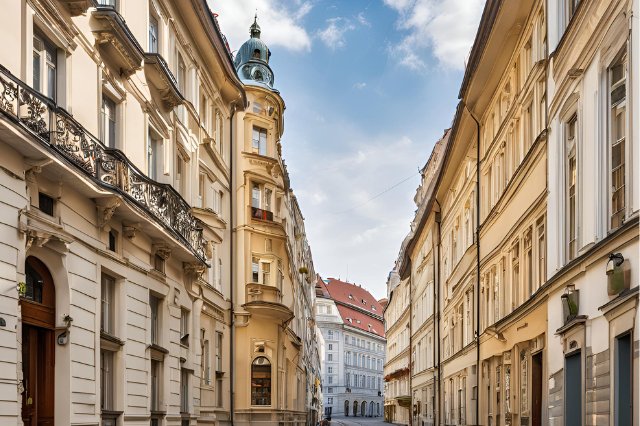
When people talk about what makes Vienna such a livable city, municipal housing often comes up—and for good reason. What genuinely impresses me is not just the idea behind Vienna’s public housing system, but the commitment that continues to back it up.
The “Gemeindebau(t)” program is set to receive over EUR 1 billion for both the construction of new municipal buildings and the renovation of existing ones. This initiative promises to create affordable, high-quality housing options for communities, paving the way for a brighter future in municipal living. It’s an exciting step towards improving living conditions.
What stands out to me is how seriously Vienna treats renovation and maintenance. Municipal housing isn’t left to age quietly until something breaks. Instead, the renovation cycle is being steadily reduced, to average just 40 years by 2030—while ongoing maintenance and necessary repairs happen continuously.
Right now, 90 municipal housing renovation projects are underway across the city. That means 12,300 apartments being upgraded, with an impressive EUR 960 million invested. These are not cosmetic changes, but substantial improvements that make everyday life better for residents.
I was impressed when I read that since 2020 alone, 67 major renovations have already been completed, improving 8,600 municipal apartments with an investment of EUR 470 million. More than 21,000 residents are already benefiting from these upgrades—without sacrificing affordable rents.
Equally impressive is Vienna’s commitment to building new municipal housing. In recent years, 13 new municipal buildings have been completed, offering 1,600 modern, affordable apartments to residents. Compared to other federal states, this level of new construction is remarkable—Vienna’s output exceeds that of all others combined over the same period. Additionally, 28 additional municipal buildings are currently under construction or in the planning phase.
What I find most telling is how residents themselves feel about these efforts. According to a recent survey commissioned by Wiener Wohnen, satisfaction levels are strikingly high:
- 80 percent of surveyed residents reported being very satisfied with their living situation, and
- 77 percent said they would choose a municipal housing apartment again.
Deputy Mayor and Housing Councillor Kathrin Gaál recently emphasised that Wiener Wohnen is renovating a record number of apartments to secure quality living for future generations. I agree with her concern that public housing in Vienna is sometimes misunderstood—especially by those who don’t experience it firsthand.
Municipal housing here isn’t just about affordability. It represents community spirit, sustainability, and social responsibility. Affordable rents, thoughtful renovation, and long-term planning create stability—not only for residents, but for the city as a whole.
For me, Vienna’s municipal housing program is a powerful reminder that housing policy can be proactive, humane, and ambitious at the same time.
If you notice any inaccuracies in my writing, please get in touch with me. I will be happy to correct it.