
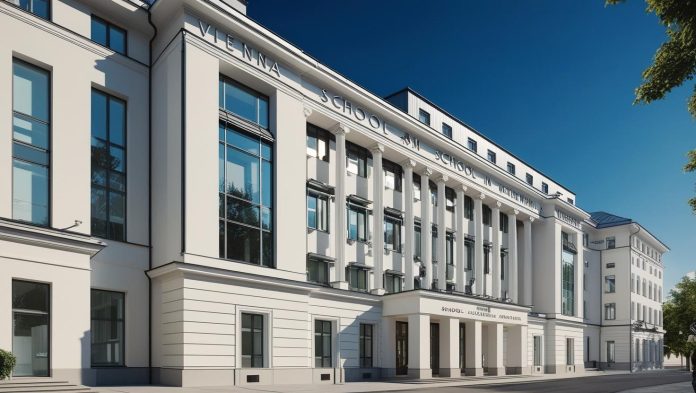
Every autumn, the start of the school year brings a mix of excitement and stress—especially for families.
Reading about Vienna’s approach to education in the 2023–2024 school year, I was genuinely impressed by how seriously the city takes its responsibility toward children, parents, and teachers alike.
With 242,000 children and teenagers starting the school year, Vienna didn’t shy away from the challenge. Instead, the city acted decisively by recruiting 1,500 new teachers to address the ongoing teacher shortage.
Taking Pressure Off Families Where It Counts
Anyone with school-aged children knows how quickly costs add up. According to the Vienna Chamber of Commerce, families spend around 150 euros per child on back-to-school supplies—and for first-year students, that figure can climb to 400 euros. Over the course of a year, expenses for a primary school child can reach nearly 1,500 euros, which is no small burden.
To alleviate this, Vienna offered significant support with free lunches; last year, 23,500 children in full-day schools received free lunches, saving families roughly 1,000 euros per child.
On top of that, the city invested 4.2 million euros to supply schools with essential materials like notebooks, pens, paints, and brushes—completely free for students.
Vienna has also increased financial support for multi-day school trips, reducing the amount parents need to contribute. These trips are often highlights of a child’s school years, and making them more accessible ensures that no one is left out because of money.
At the same time, the city continues to invest heavily in its educational infrastructure. In the last academic year alone, six new school buildings opened across districts like Favoriten, Simmering, Penzing, Floridsdorf, and Donaustadt, adding 163 new classrooms. With 290.3 million euros dedicated to expanding and maintaining schools, Vienna is clearly planning for the long term.
Hiring 1,500 new teachers, including 100 career changers, is no small achievement.
What stands out to me is that Vienna isn’t pretending the challenge is fully solved—but it’s very close. With only 31 vacancies remaining, just 0.2 percent of the city’s 16,000 teaching positions, the situation is remarkably stable compared to many other cities.
What I take away from all this is that Vienna treats education as a shared responsibility. From supporting families financially to investing in schools and teachers, the city is clearly focused on fairness, quality, and long-term impact.
If you notice any inaccuracies in my writing, please get in touch with me. I will be happy to correct it.

