
Every time I look at Vienna’s mobility developments, I’m reminded why the city is so often held up as a model for sustainable urban living. The latest update from the International Offices of the City of Vienna only reinforces that feeling: the Austrian capital has reached another milestone that genuinely signals long‑term change.
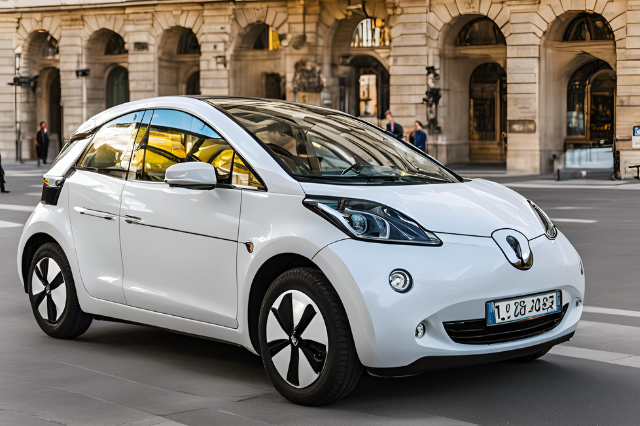
According to the Austrian Federal Statistical Office, more than 20 percent of all new cars registered in Vienna last year were fully electric—overtaking diesel for the first time. For me, this is one of those moments where data and lived experience meet. Anyone who spends time in Vienna can feel the shift: quieter streets, cleaner air, and a growing sense that the city is actively shaping its future rather than waiting for it.
With a significant investment of EUR 56 million over the next eight years to green its fleet, Vienna is making a clear and reassuring statement about its dedication to environmental initiatives. The introduction of electric garbage trucks and street sweepers is a promising step towards a cleaner, greener Vienna.
According to data from the Austrian Statistical Office, Statistik Austria, last year, 11,539 pure electric vehicles were registered in the Austrian capital, accounting for 21 percent of all new registrations. Thus, the number of newly registered e-cars outstripped the number of newly registered diesel cars (11,016). Hybrids accounted for 30 per cent of all newly registered vehicles.
Stephanie Ernst, president of the vehicle trade sector of the Vienna Chamber of Commerce and Industry, pointed out to ORF that municipalities, companies, and the City of Vienna itself currently account for around 90 percent of new electric vehicle purchases. Private buyers make up the remaining 10 percent—a number that will likely grow as infrastructure expands and confidence rises.
Vienna’s own companies are already leading by example. At Wiener Stadtwerke, 36 percent of passenger cars are electric, and the focus is now shifting to commercial vehicles. Together with MA48, they plan to convert 1,245 commercial vehicles to electric drive in the coming years. In addition, Wiener Stadtwerke is currently testing 22 electrically powered commercial vehicles, while 23 of the 176 light commercial vehicles used by the public utility are electrically powered.
What I find especially encouraging is how the city is thinking holistically. The charging network continues to grow, not only across Vienna but also within municipal companies. In addition, training programmes for car mechanics ensure that the workforce is ready for this new era of mobility.
Vienna’s message is clear and confident: sustainability is not a distant goal—it’s a daily practice. With every new electric vehicle on the road, the city shows how environmental responsibility can be woven into the rhythm of urban life.
If you notice any inaccuracies in my writing, please contact me. I will be happy to correct it.

