
I read that the dream of repairing damaged cartilage in the lab has fascinated researchers for years. While past attempts often faced obstacles, a new method developed at TU Wien is now opening doors to real success in creating replacement cartilage—and even bone tissue, according to news.
Oliver Kopinski-Grünwald, one of the study’s authors, explained that growing cartilage cells from stem cells isn’t the hardest part. The real challenge has been controlling the shape of the tissue. Now, thanks to a brilliant innovation, that hurdle may finally be overcome.
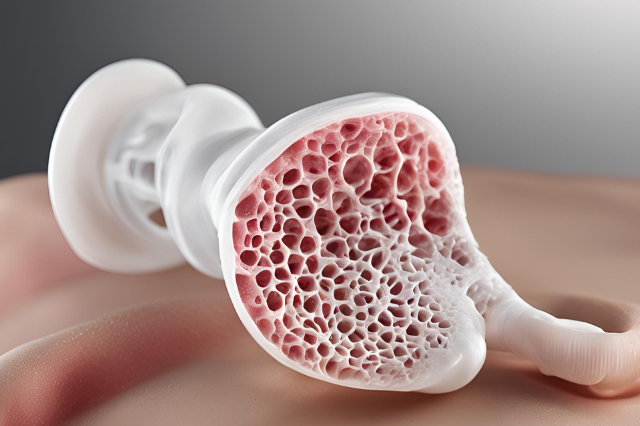
They have created tiny, porous spheres using a precision 3D printing process. These “mini footballs” are groundbreaking. Made of biocompatible plastic, the spheres act as scaffolds for cells, offering mechanical stability while naturally degrading over time. It’s a perfect balance of strength and adaptability.
The spheres’ cage-like design means they can be joined together seamlessly, forming larger scaffolds. What remains after the plastic degrades is tissue in the desired shape—a remarkable achievement that feels almost futuristic.
This approach isn’t limited to cartilage. By adjusting the size and arrangement of the spheres, researchers believe they can mimic bone structures, too. That could mean new possibilities for regenerating bone tissue after injuries or disease—a development with life-changing potential.
From mini football-shaped scaffolds to the vision of regenerating bone, TU Wien’s work shows how innovation can translate into real hope for patients.
Personally, I find it inspiring to see how something so small can have such a big impact on human health.
If you notice any inaccuracies in my writing, please get in touch with me. I will be happy to correct it.